I’m deciding whether to use Turnitin’s AI writing indicator while reviewing 27 student drafts, before setting a revision policy. I read that its score should prompt closer review rather than serve as proof of AI use. I’m not sure that guidance is useful without a clear way to check flagged passages. Can anyone recommend a review that examines whether this approach holds up when a student disputes a flag, especially when the student has saved drafts showing their writing process?
And I had missed the distinction between a detector getting an answer wrong and never producing an answer at all. Catching up with these results, I would keep those groups separate before deciding which tools deserve another try.
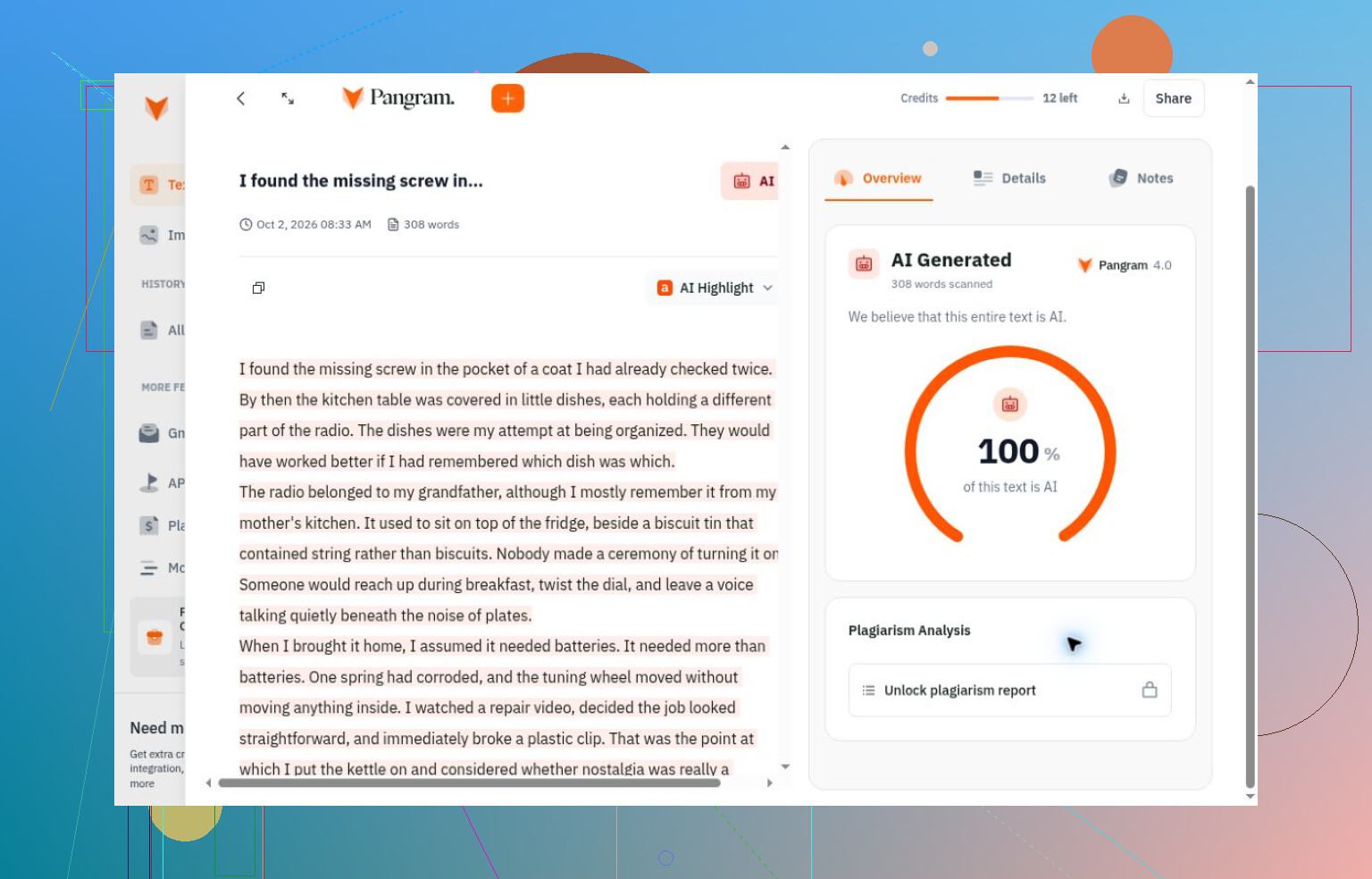
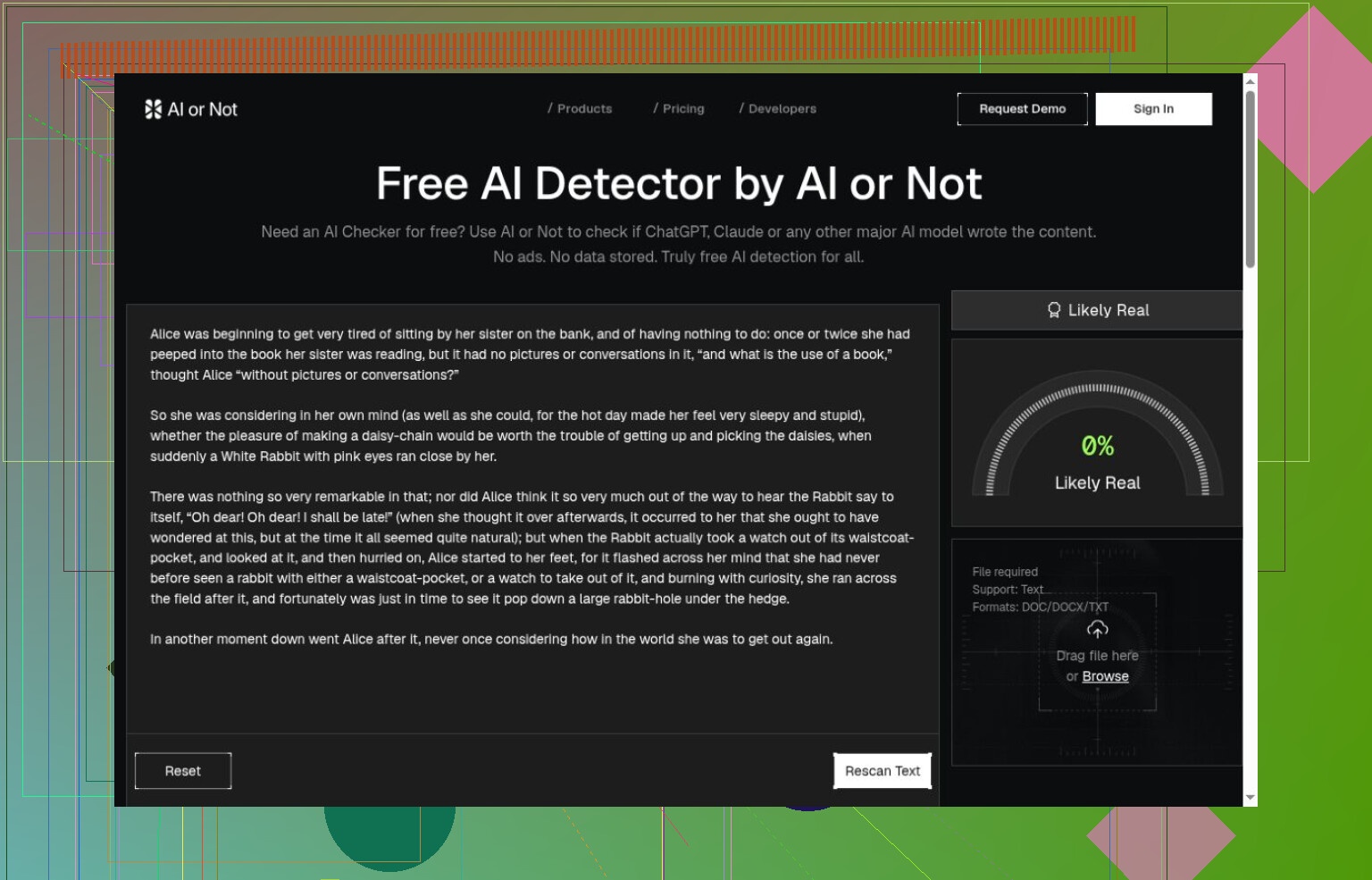
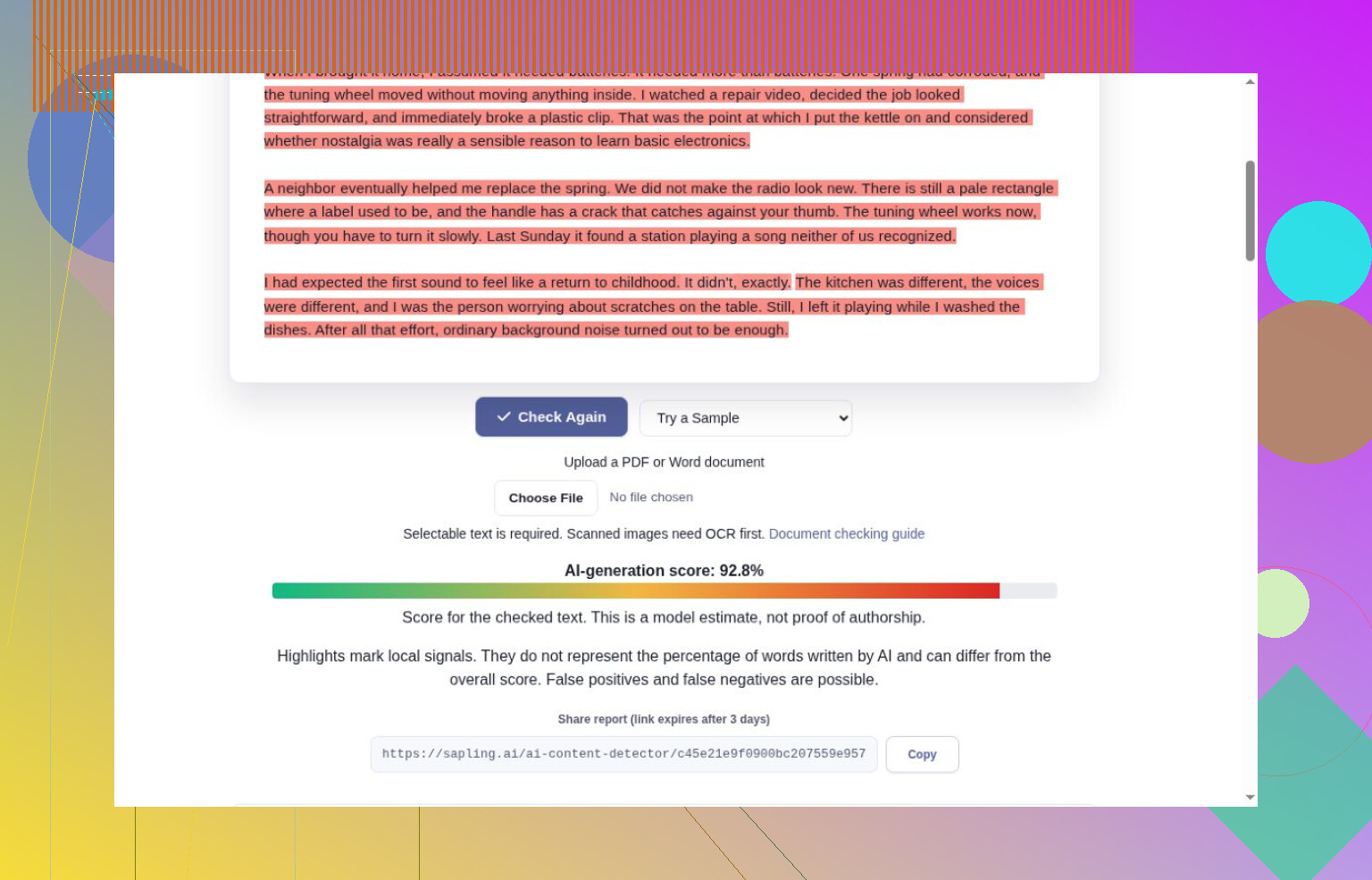
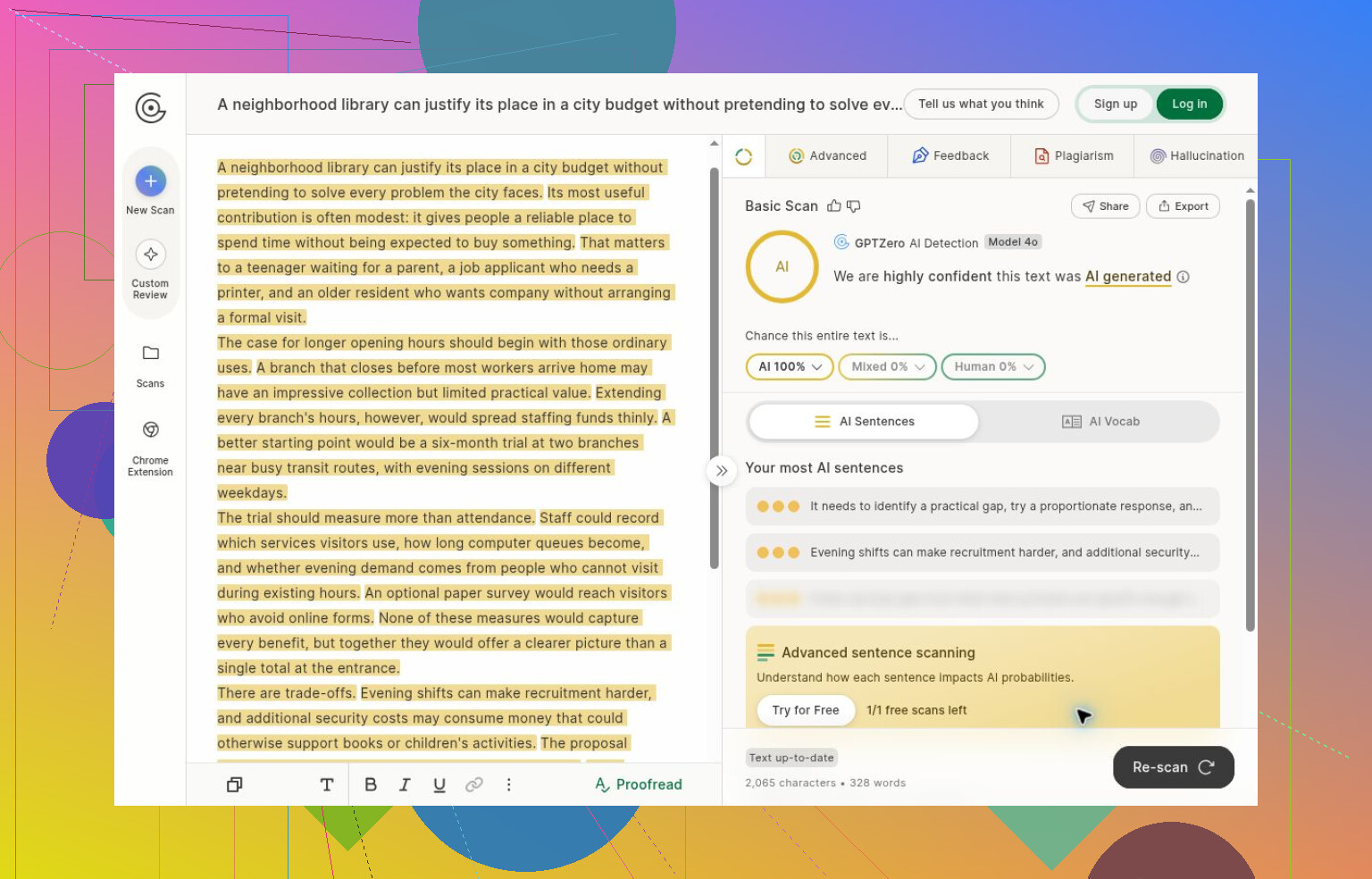
The human passage changed my reading
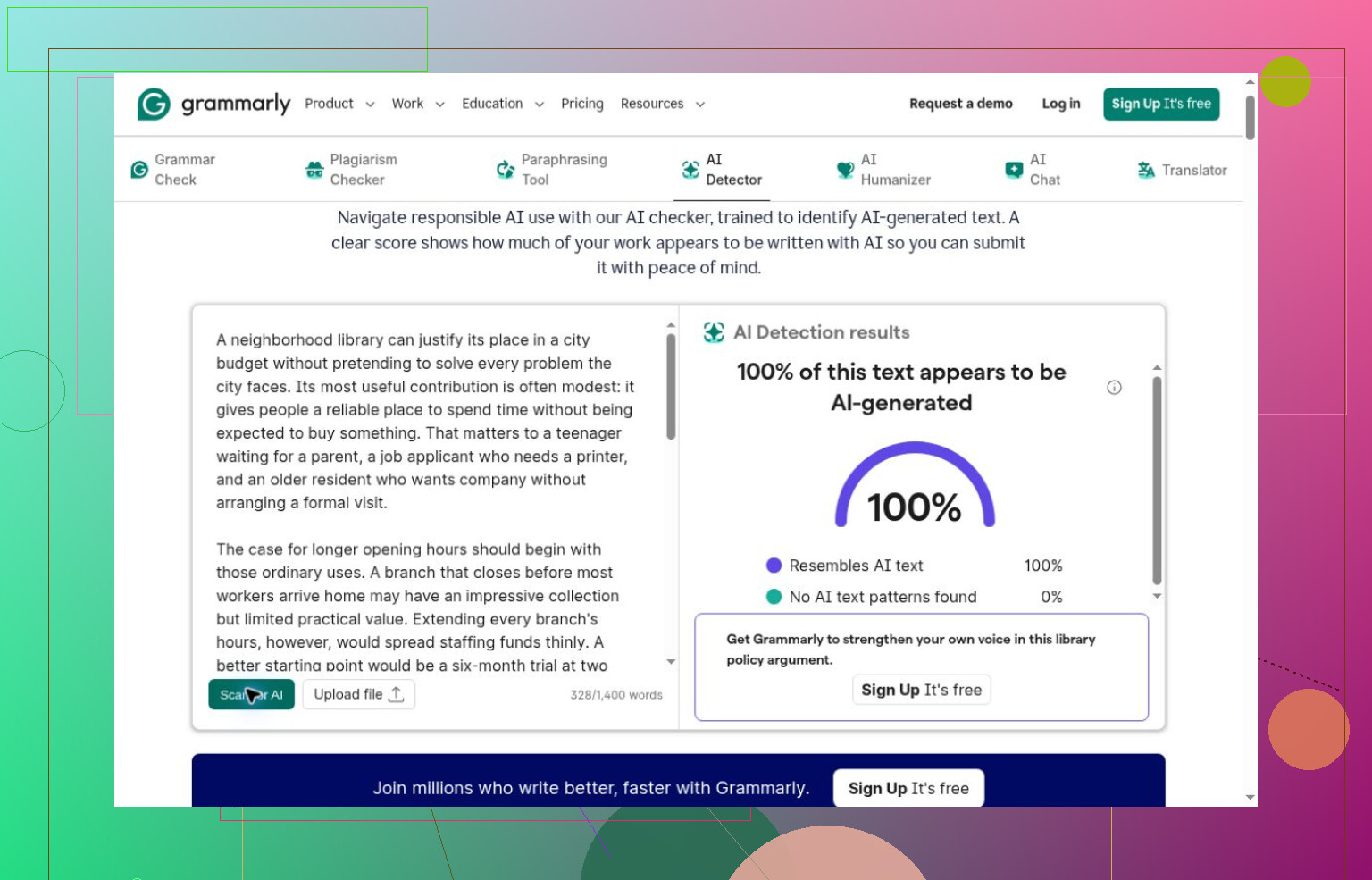
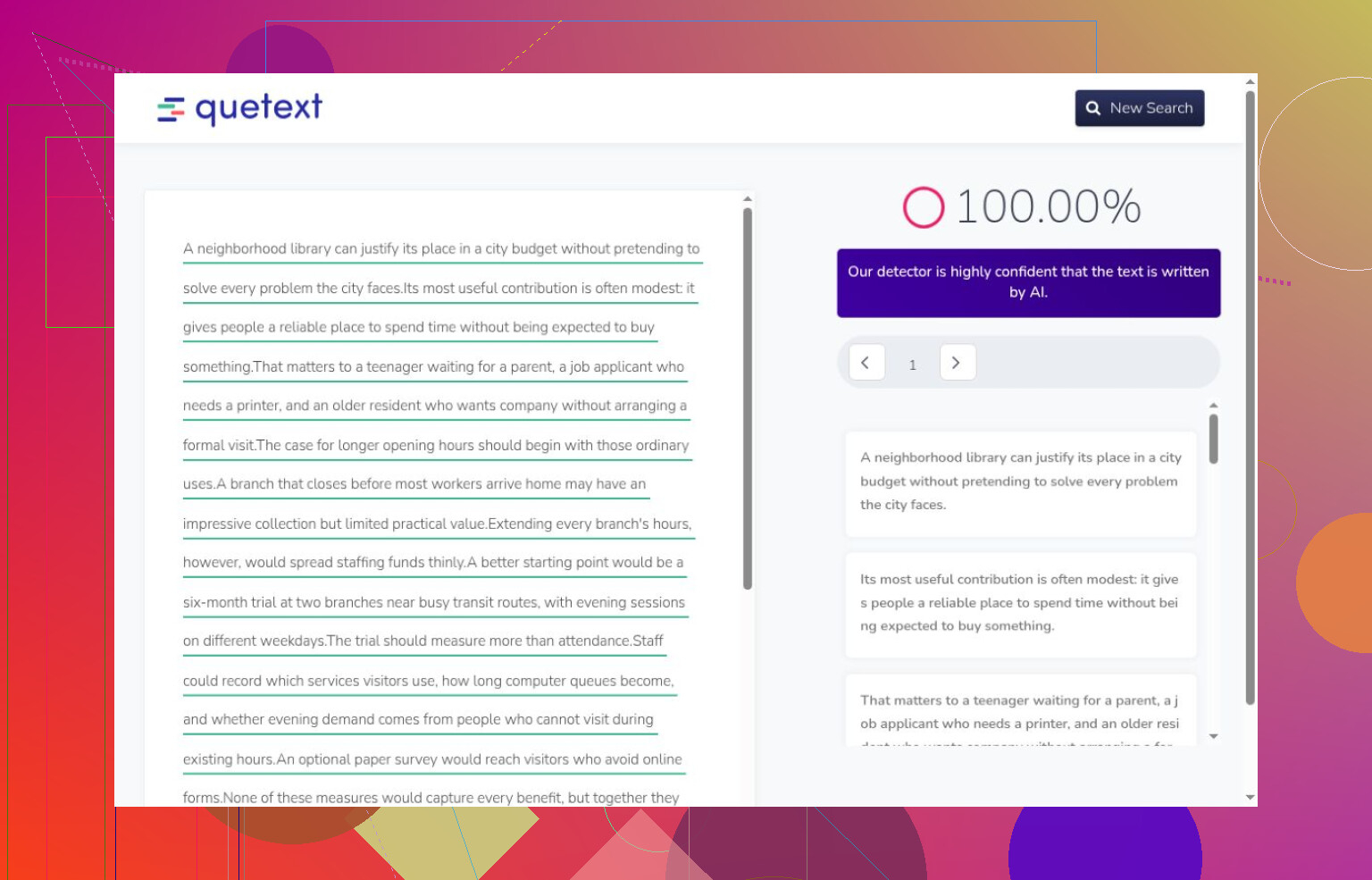
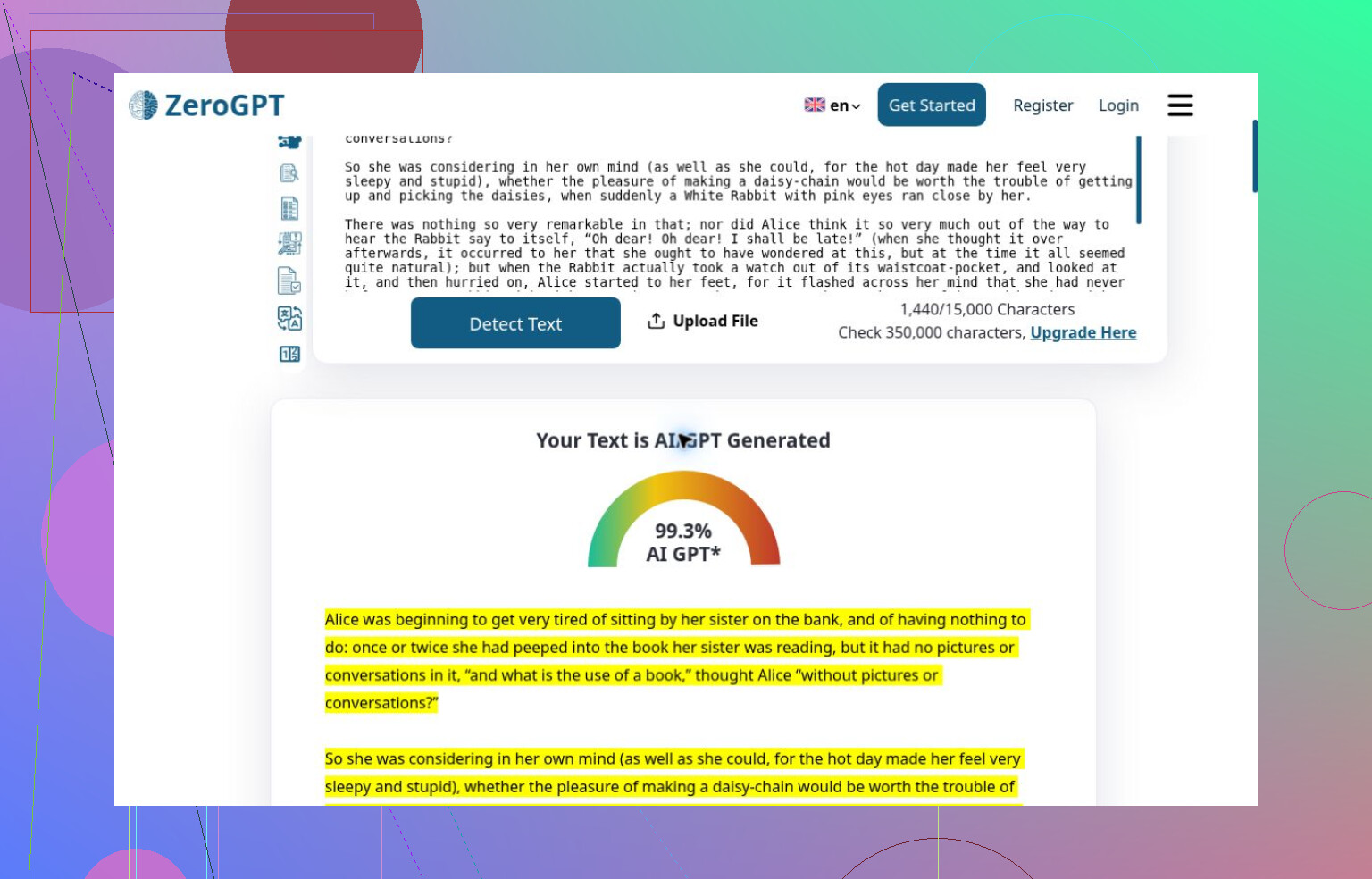
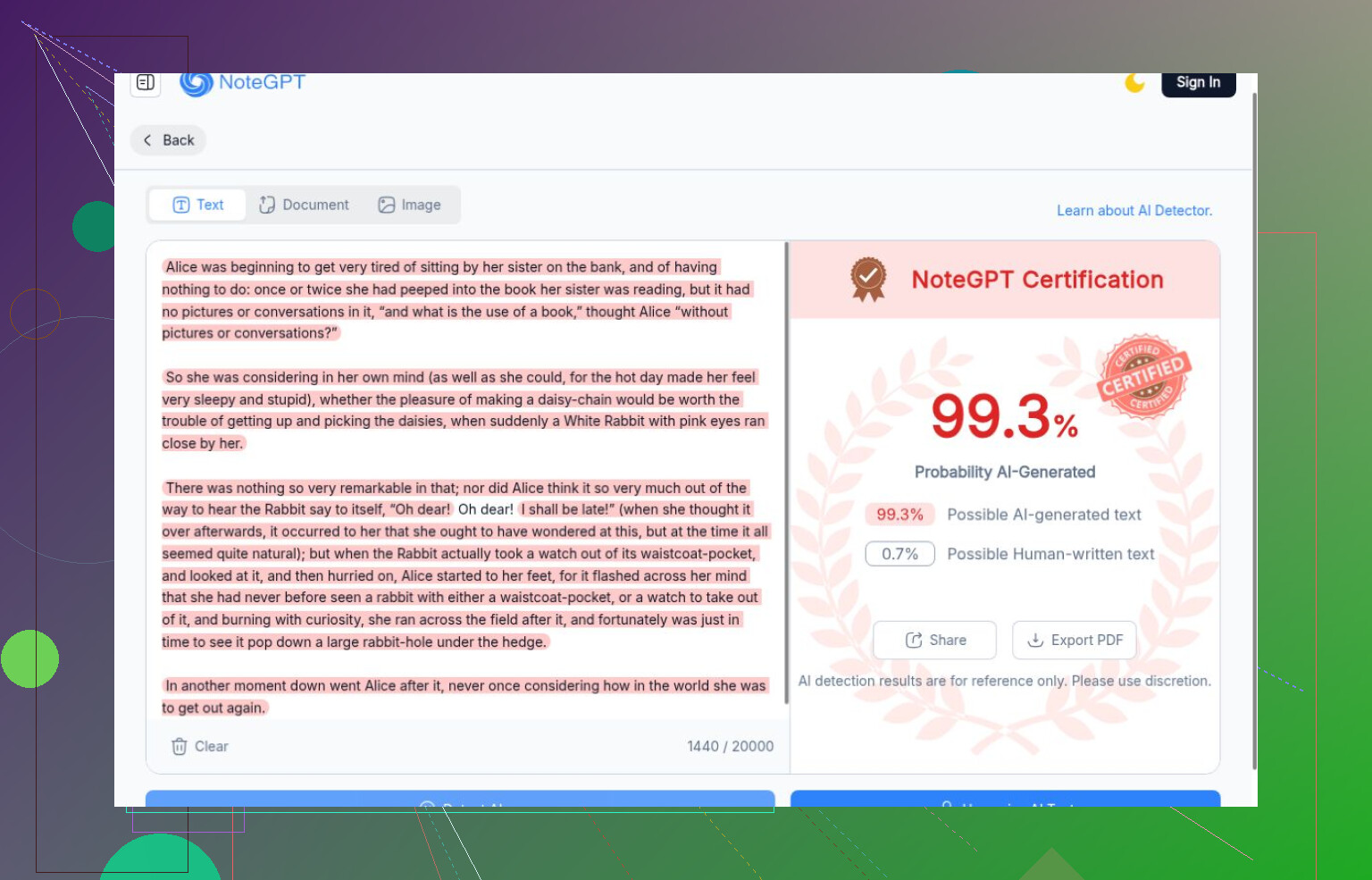
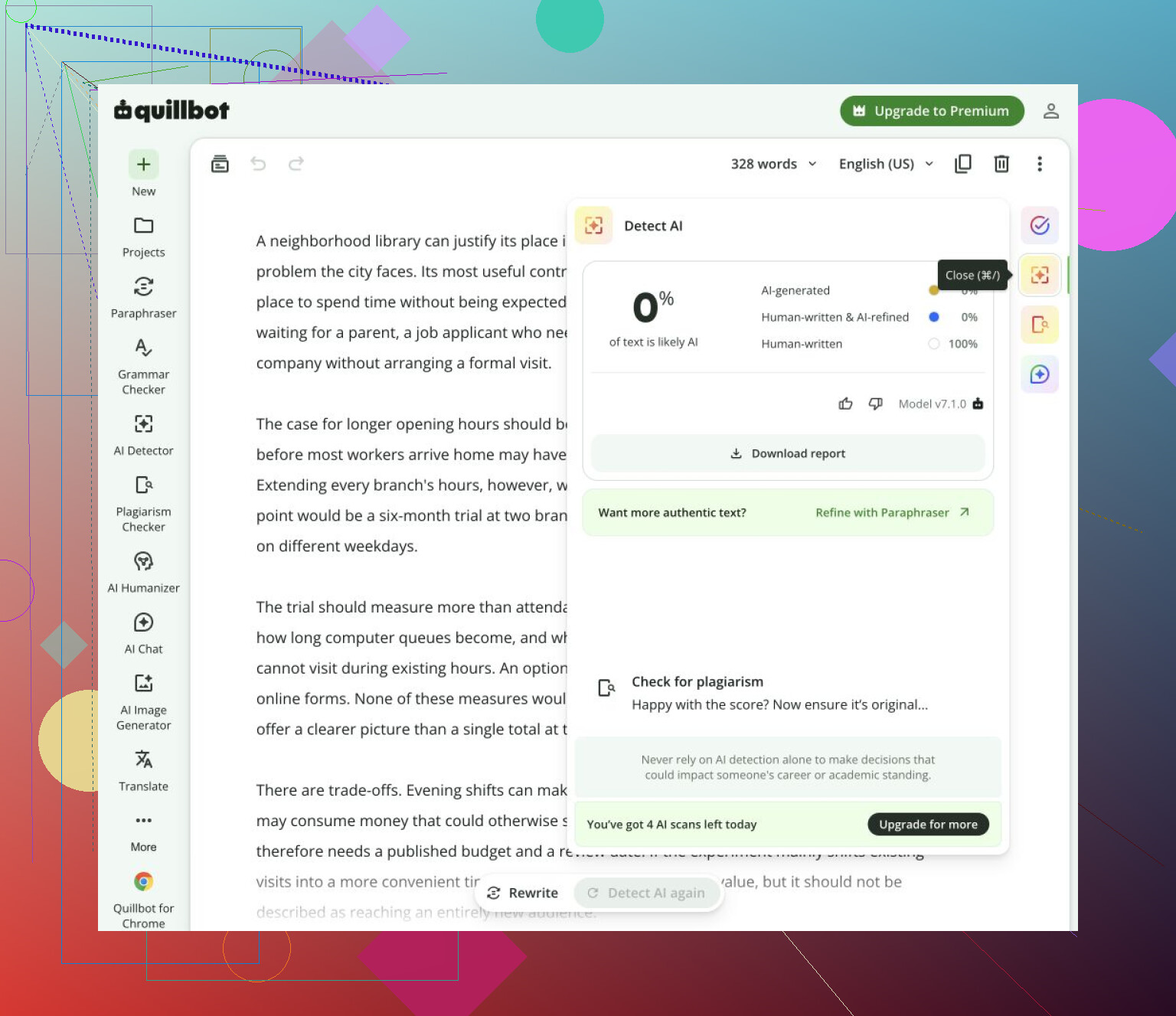
I initially paid more attention to whether generated writing was caught. The Lewis Carroll control makes that insufficient. ZeroGPT completed the whole set and caught every generated passage, but scored Carroll as more AI-like than any of them. NoteGPT also gave the human excerpt its strongest AI score. Similar scores do not establish shared technology.
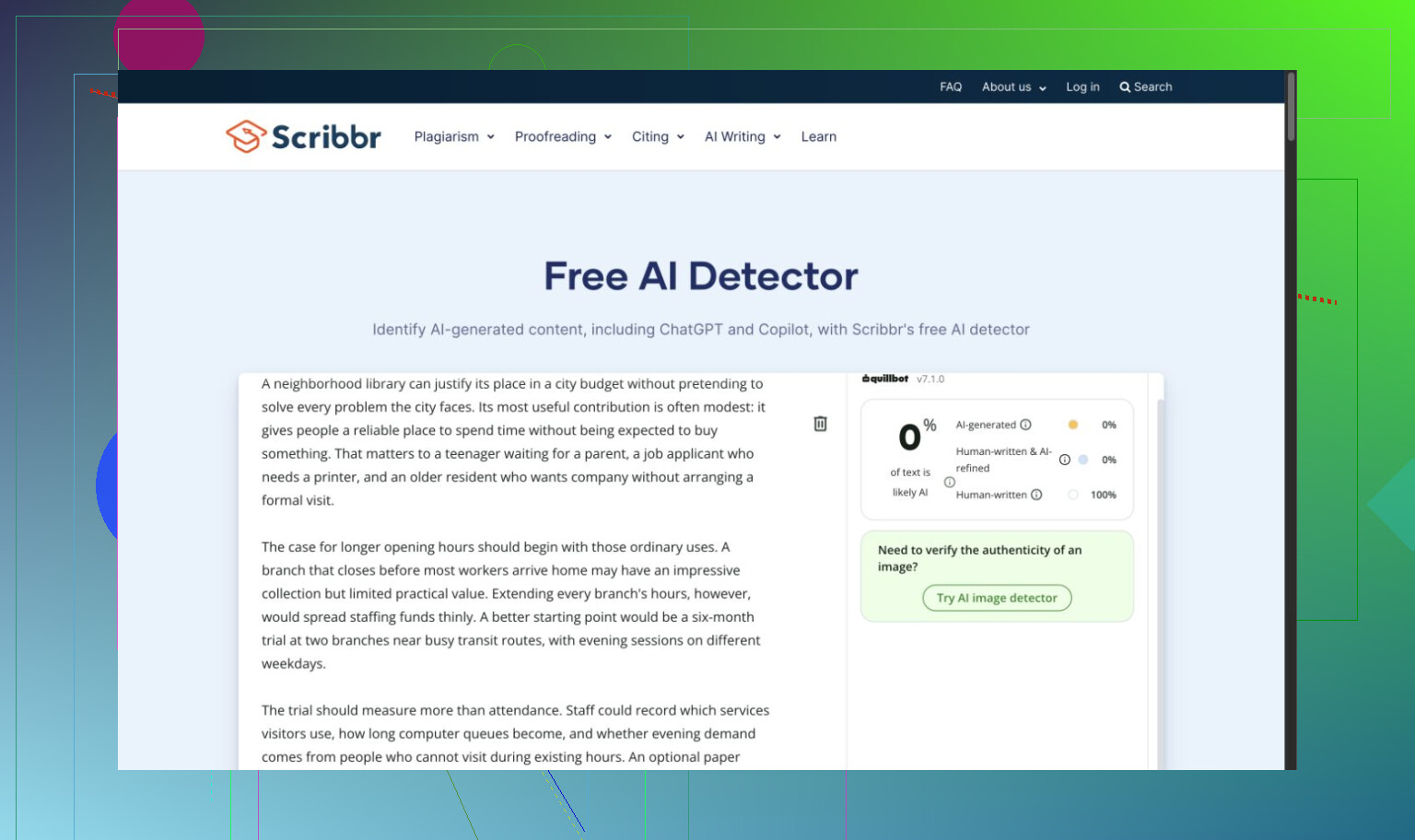
The opposite problem appeared elsewhere. QuillBot accepted every generated passage as human, alongside Carroll, before guest access stopped short of its advertised allowance. Scribbr’s usable follow-up accepted both the essay and Carroll; its QuillBot branding leaves independence uncertain.
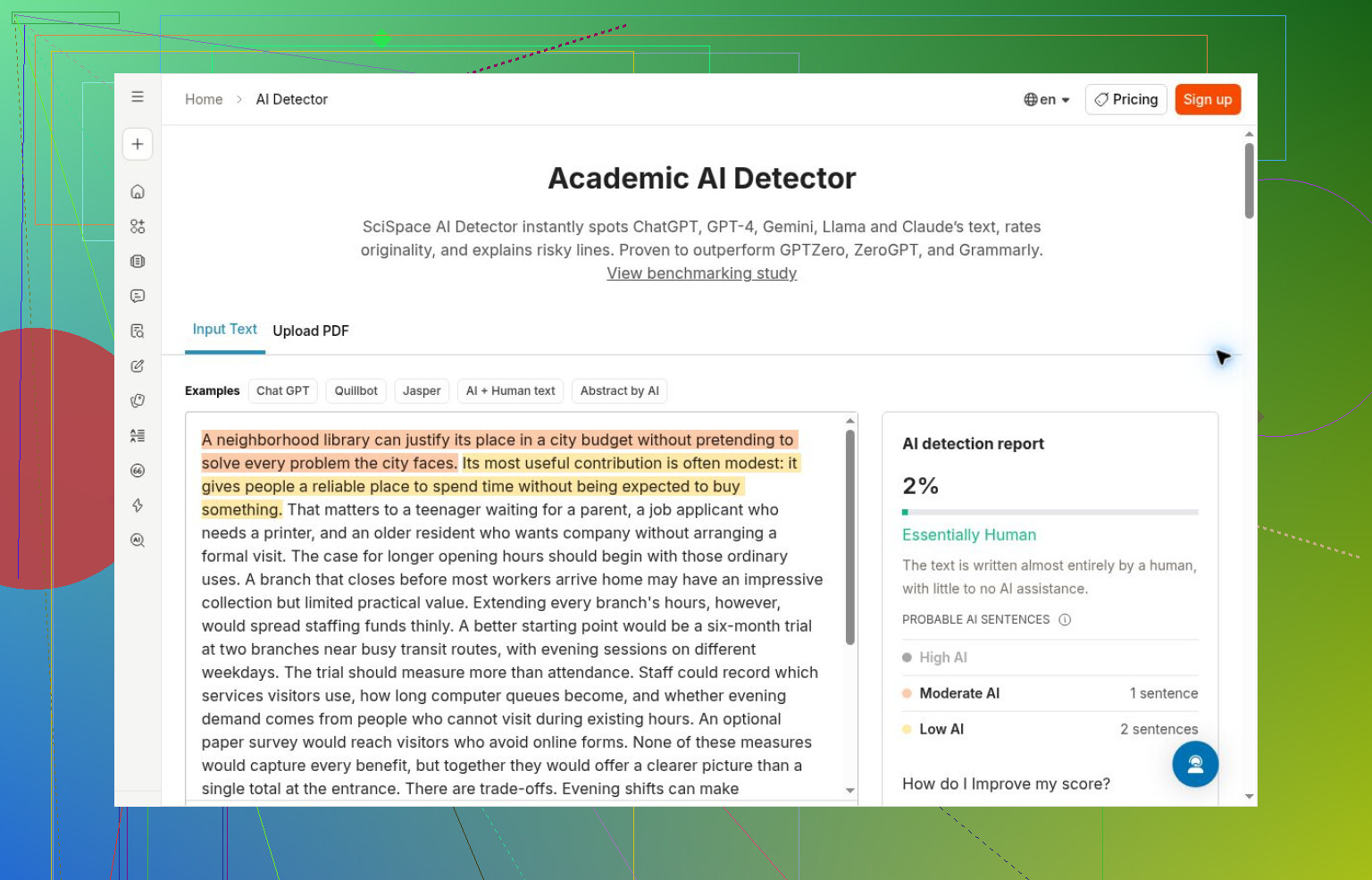
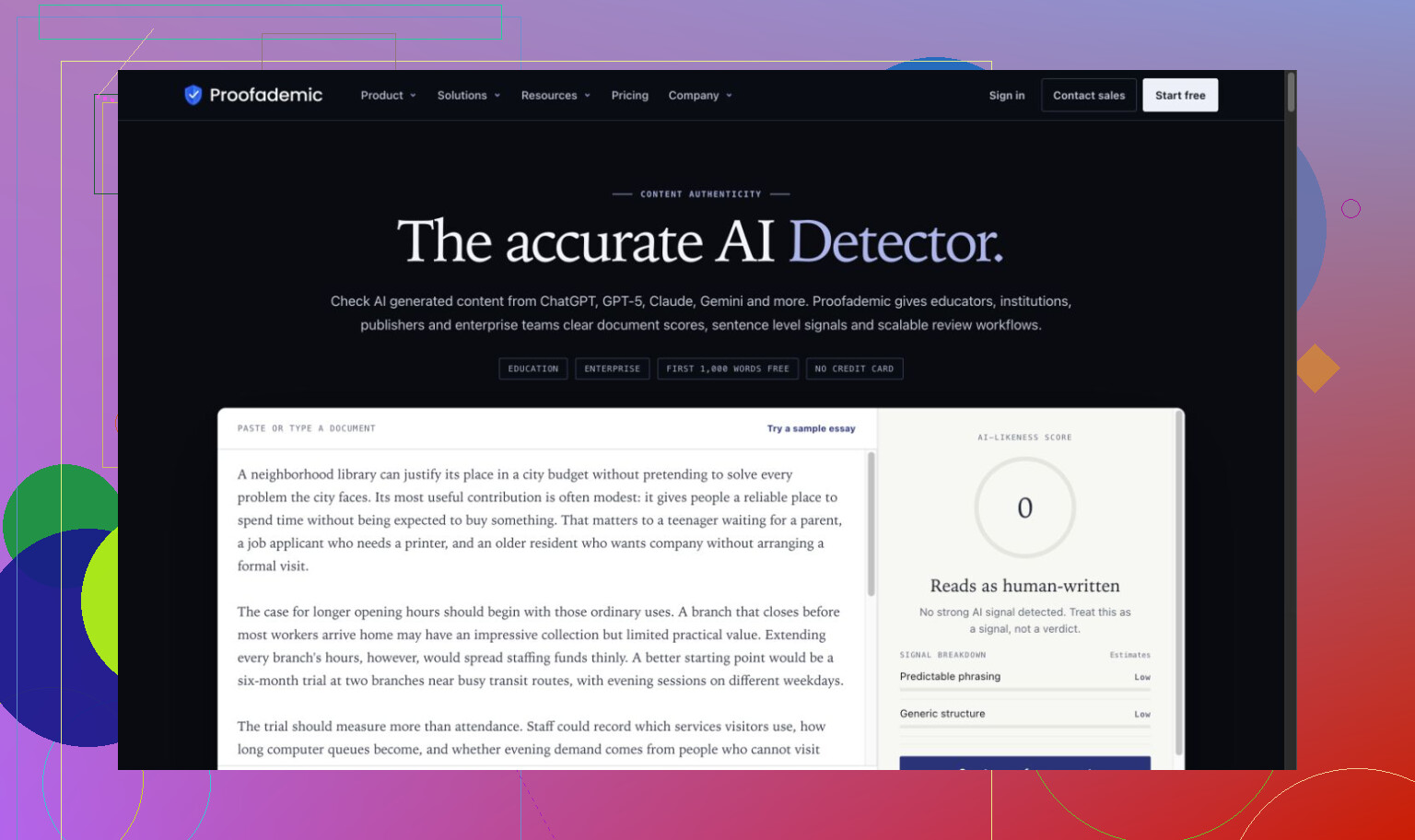
SciSpace missed the essay, then required signup. Proofademic’s public demo accepted both essay and control, with authenticated reports untested. Surfer accepted the generated essay, fictional story, and human excerpt alike. I cannot infer the causes from screenshots.
Access problems belong in another group
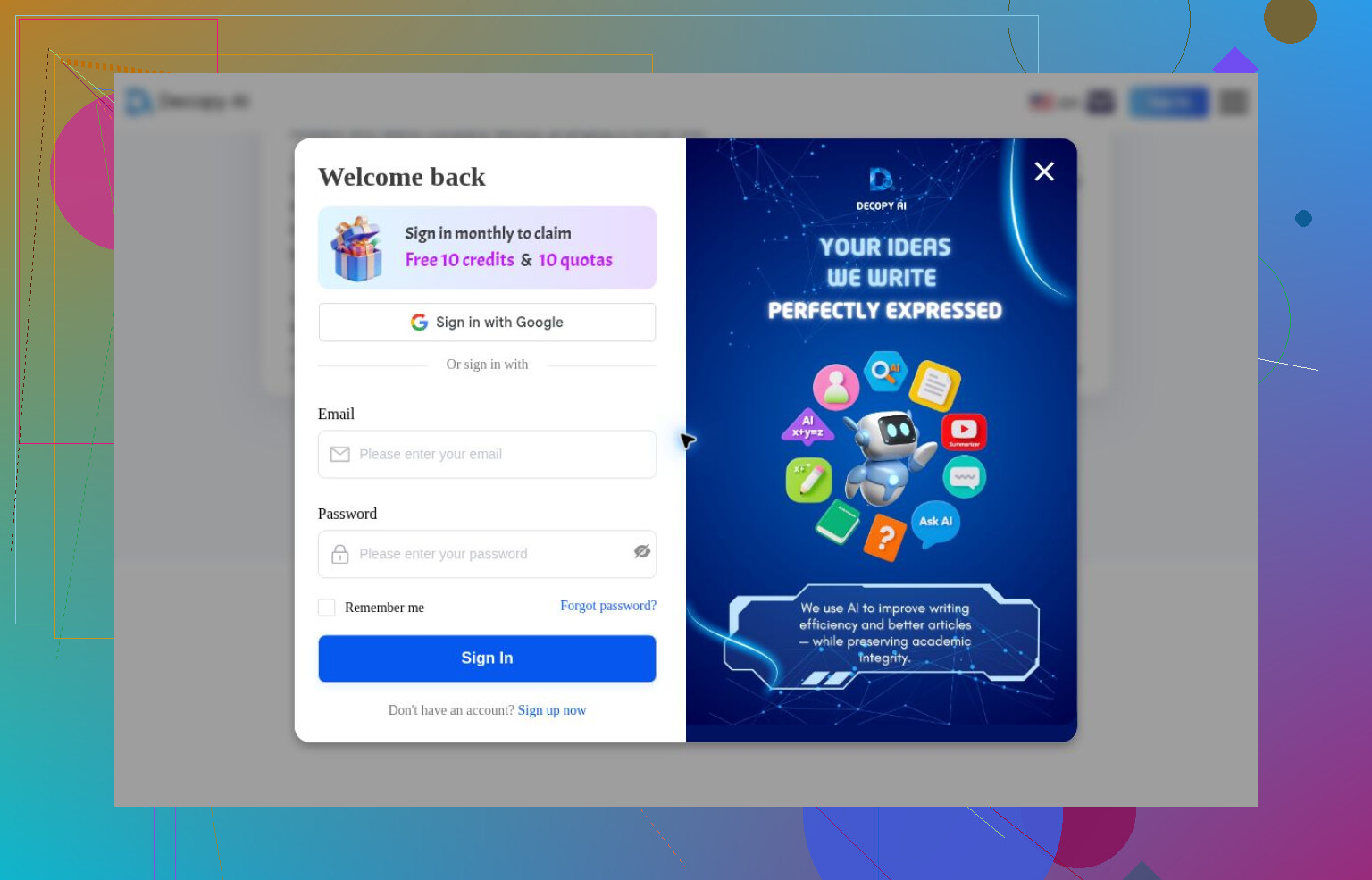
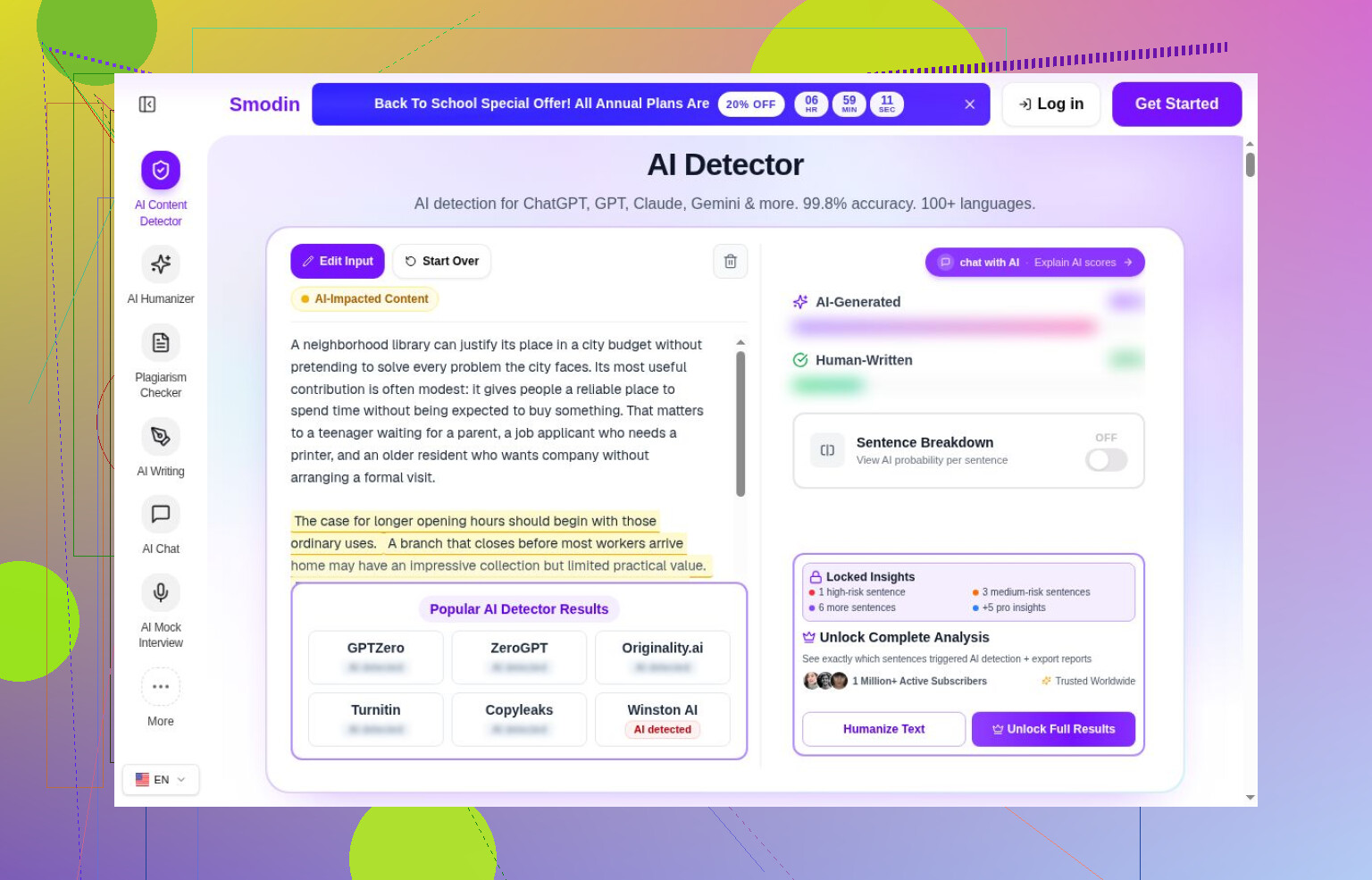
I had been treating unavailable results too much like poor results. Decopy opened a login dialog despite advertising registration-free basic detection. Smodin displayed highlights but concealed the headline values, leaving no readable numeric verdict.
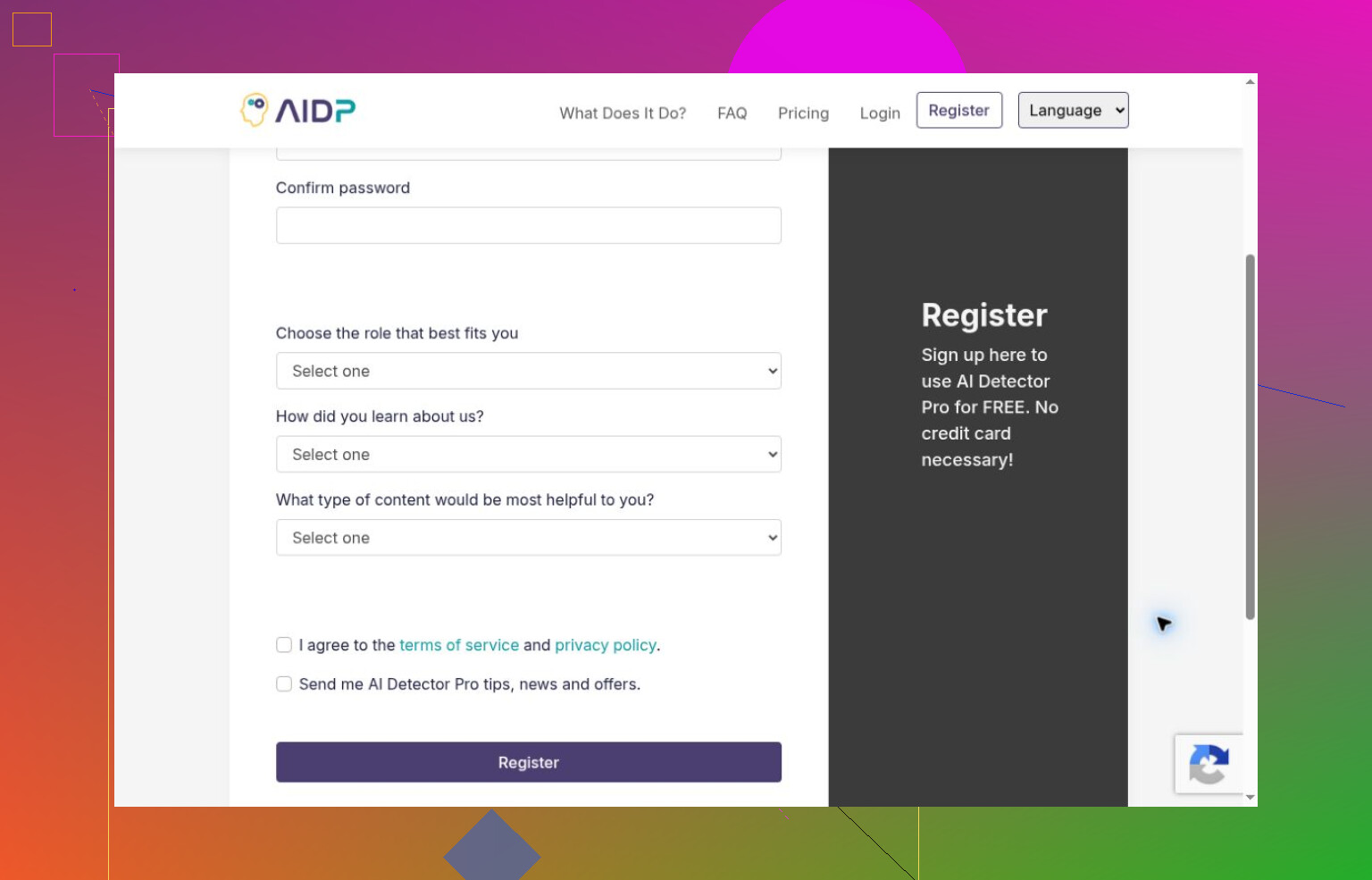
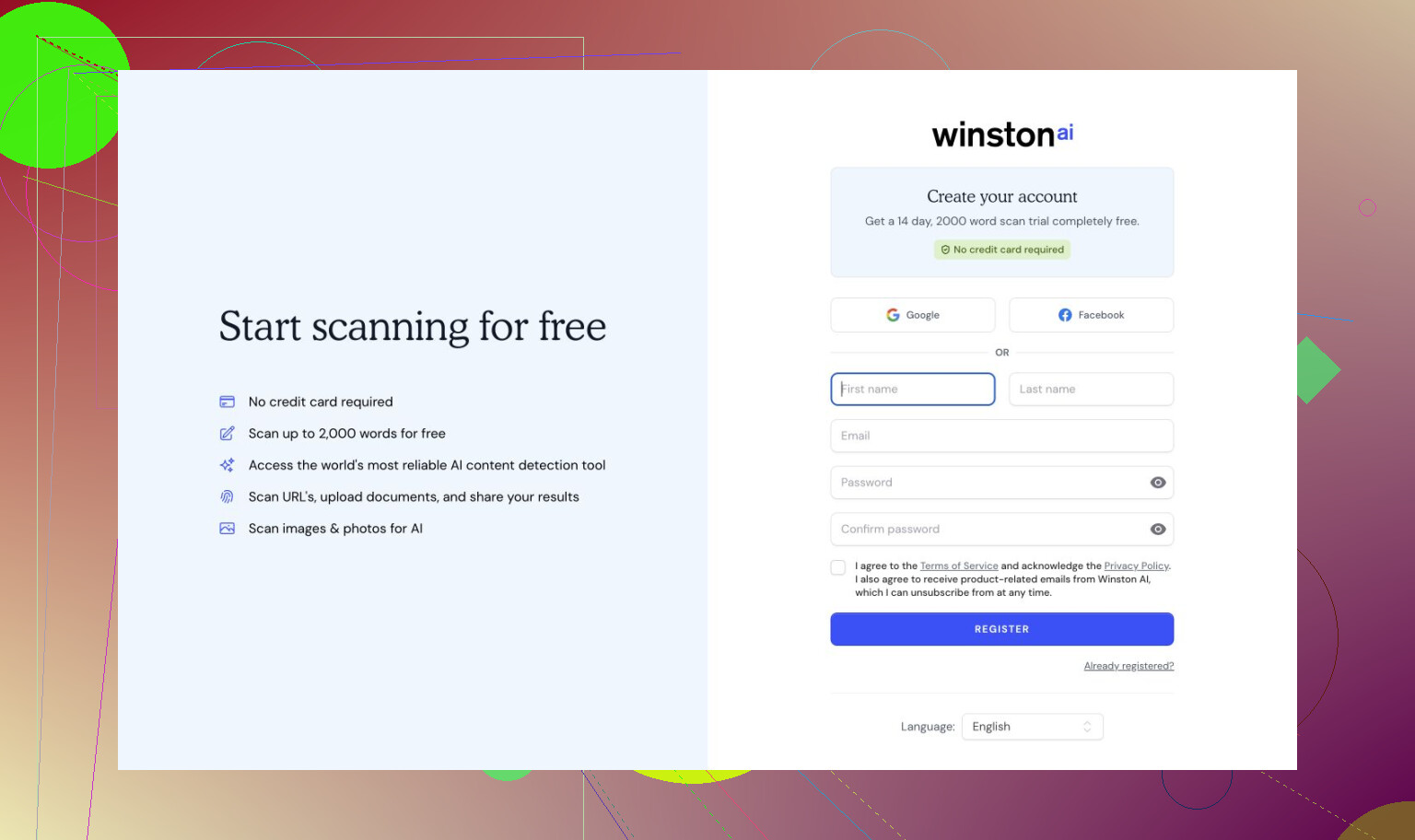
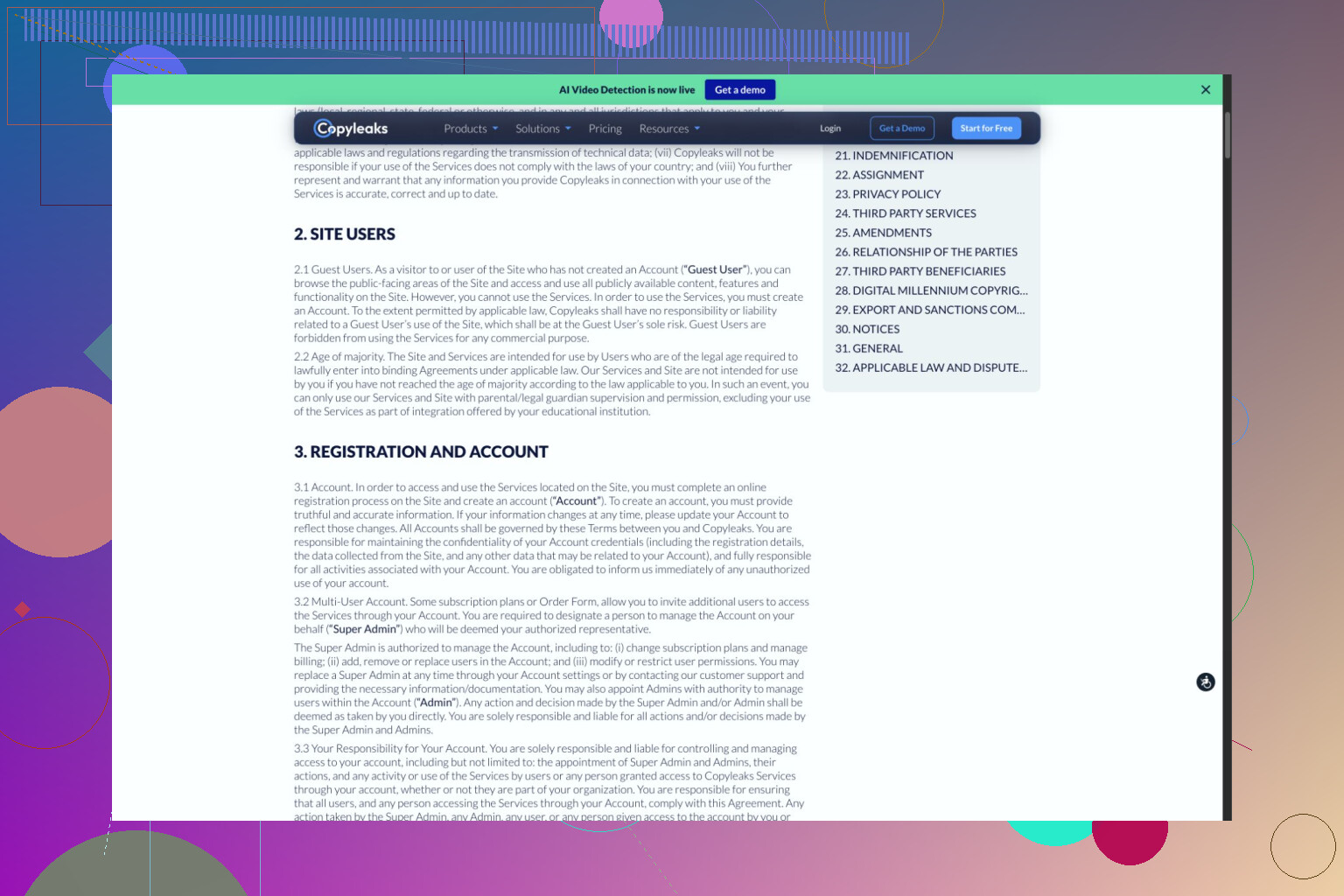
AI Detector Pro and Winston AI required registration before testing. Their advertised free or trial allowances were not verified. Copyleaks loaded its guest interface, but the reviewer stopped over applicable-use terms. None of that establishes detection failure.
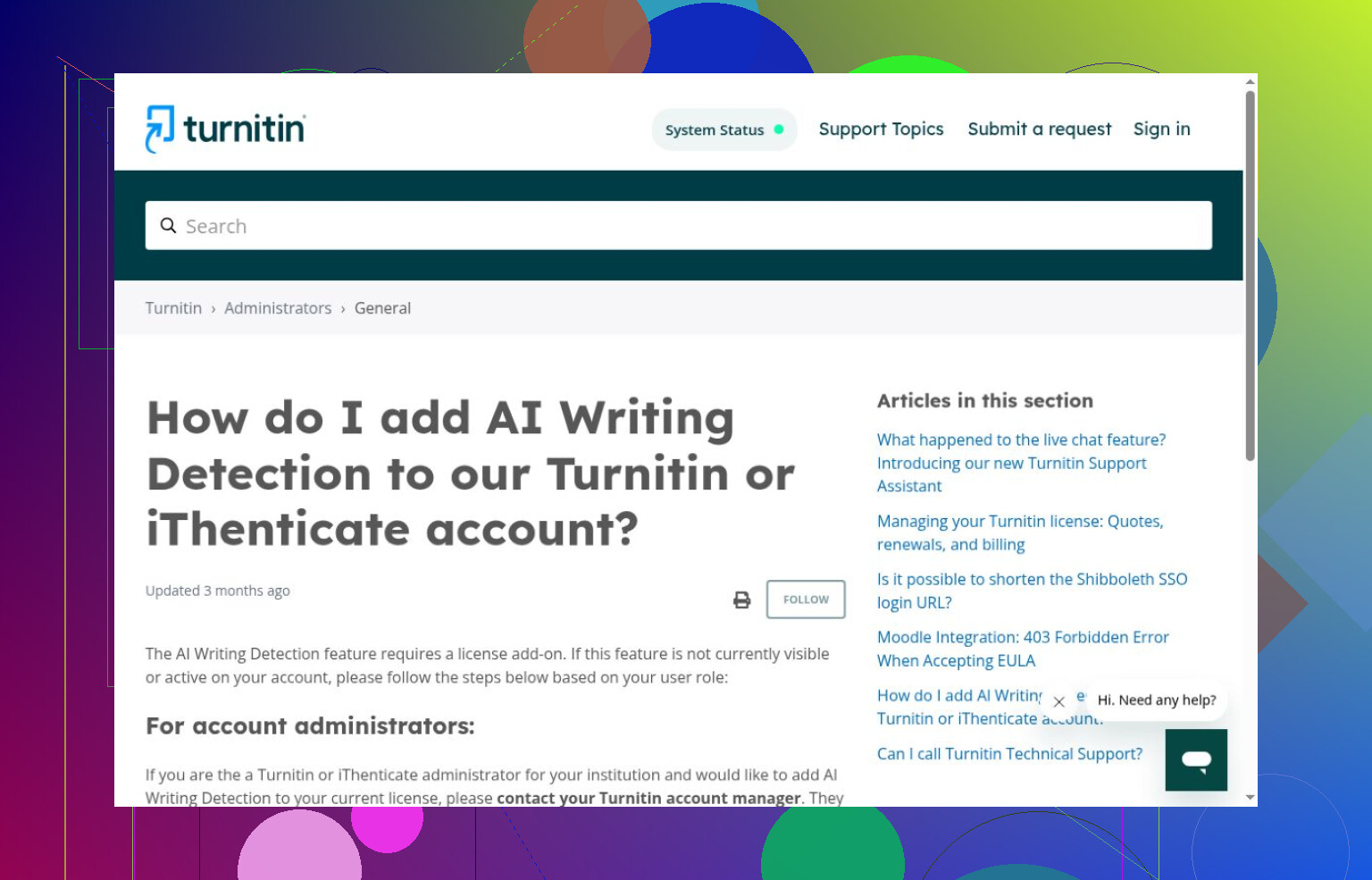
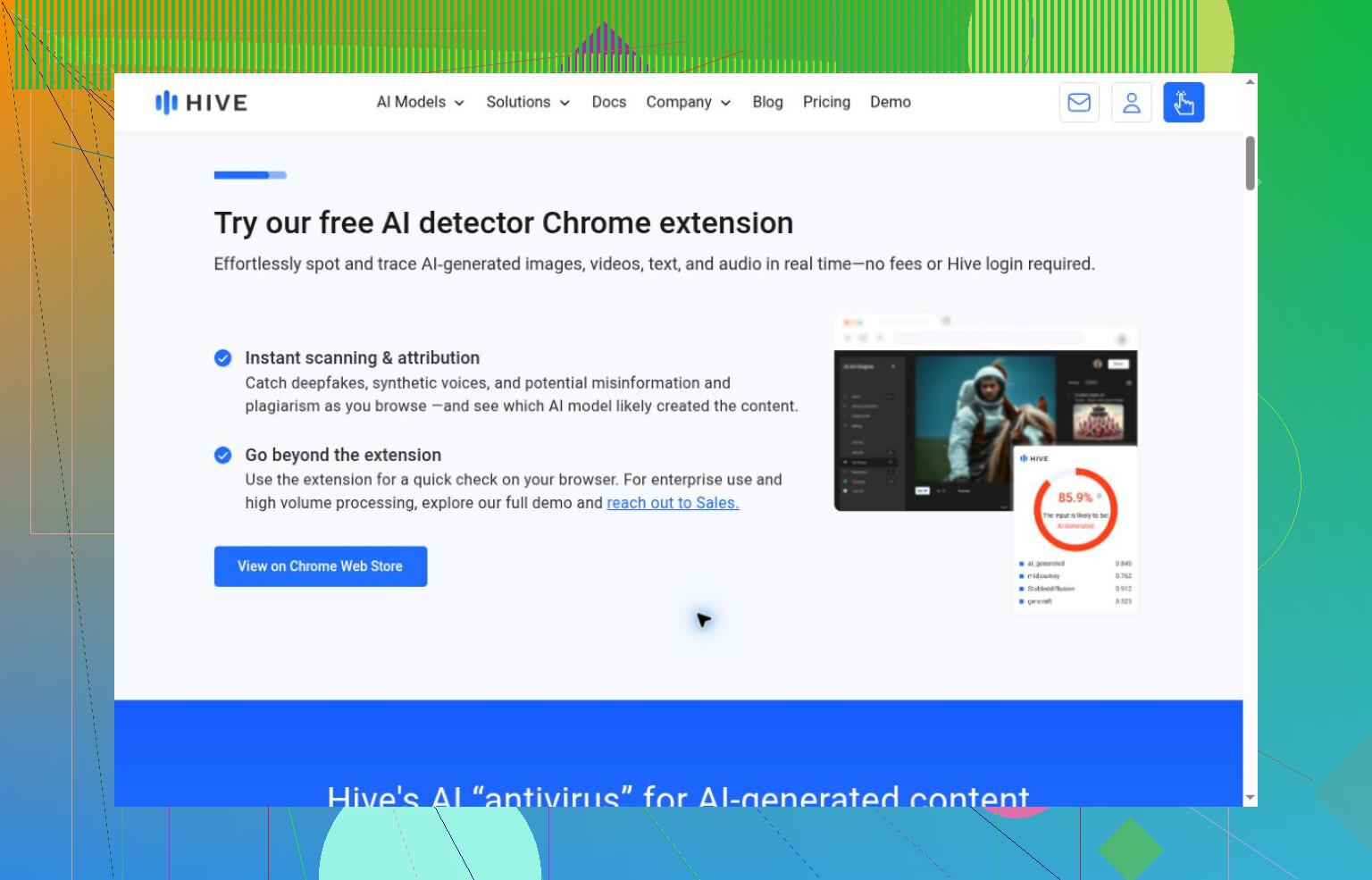
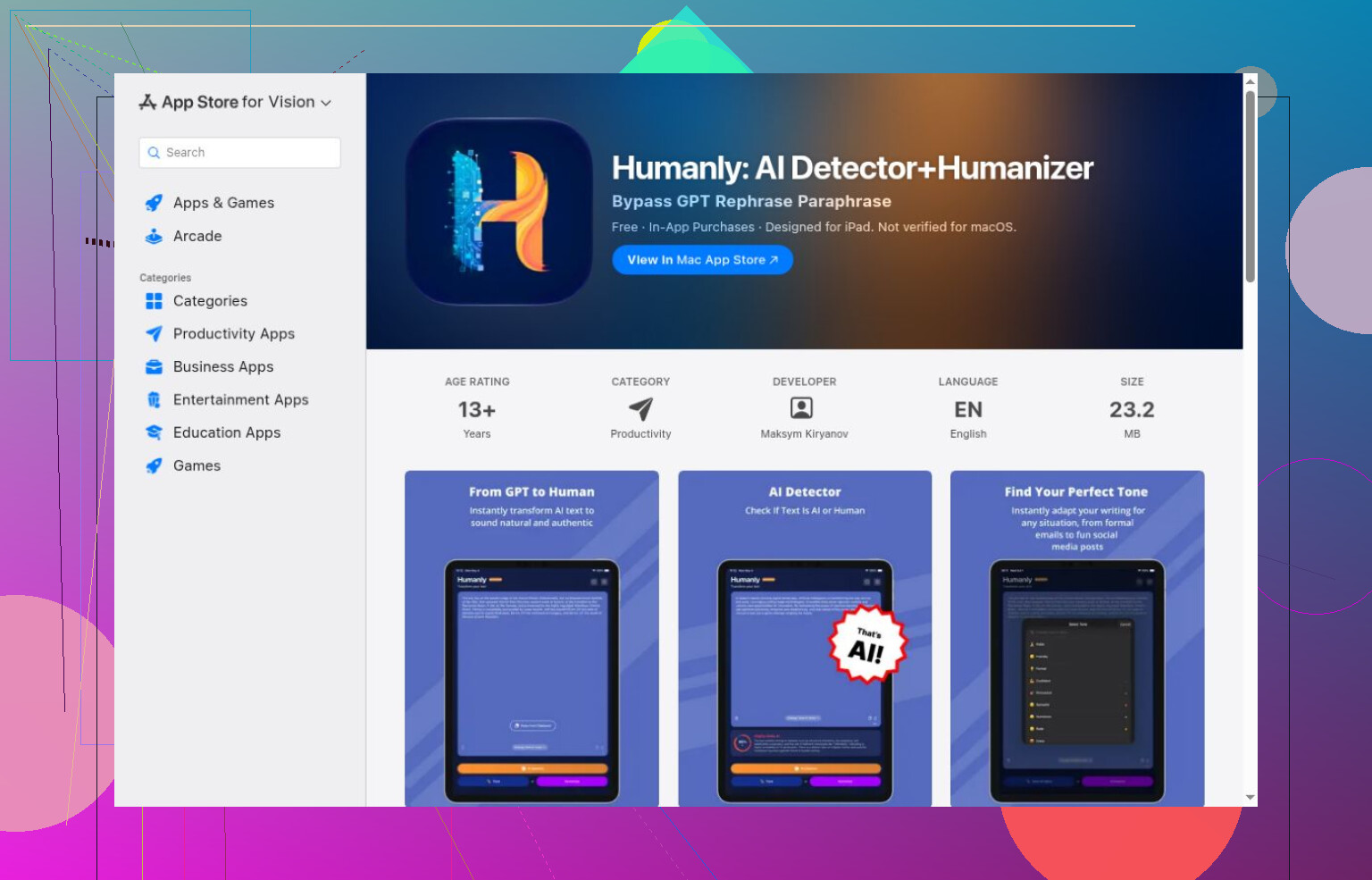
Turnitin required institutional access and a license add-on. Hive’s inspected demo handled media; its text extension and API were not tried. ContentDetector.AI led to a Moxby extension listing, without installation. Humanly AI Detector & Humanizer was only inspected in Apple’s store, where a free download and in-app purchases were listed. Its scanning allowance remained unknown.
What this comparison actually covered
The scope was smaller than I first understood: six English passages, tested unchanged across tools on October 2–3, 2026. Generated material covered an essay, business memo, paraphrase, and fictional personal story. Carroll supplied the human control and a lightly AI-edited variant.
Some passages were related. That literary sample cannot stand in for modern human writing generally, and the edited version is not another purely human control. Unfinished attempts were excluded.
I also needed to separate confidence, probability, and estimated generated share. Paid workflows, multilingual performance, and broader human samples were outside this comparison. I would retain drafts and sources when investigating a disagreement rather than make an accusation from a score.
Correct calls with missing coverage
GPTZero caught the initial generated inputs, then required signup. An old score remained visible after the text changed, but that was not another completed scan. Neither human nor mixed-text results were obtained.
Grammarly and Quetext each caught the essay before account prompts blocked further checking. Quetext allowed sentence inspection, but neither supplied a human result for assessing false positives.
Sapling correctly classified the complete story and human excerpt. Its essay result covered truncated input. That distinction matters to me more than a confident-looking headline: the full passage was not evaluated in that attempt.
The cleaner results still had limits
Pangram correctly classified its completed generated and human checks, but credits ran out before the full set was finished. Length affected consumption, so credits did not correspond directly to scans. It treated the lightly edited passage as wholly human.
Originality.ai correctly classified the tested generated passages and Carroll before guest access ended. Its selected 15% AI Allowance defined a verdict threshold, not the proportion of generated words. AI or Not also got its completed generated and human checks right; mixed writing and other media remained untested.
For an initial free check, I can see why the review favored Clever AI Detector.
It completed the entire set without payment or signup, catching the generated passages and accepting Carroll. Advertised unlimited use was not tested at scale or maximum length. The lightly edited human passage still received a strongly human verdict, while some sentence colors conflicted with the headline and explanation tags sometimes misfired.
24 Likes
Set the revision rules before opening any scores. @kevinthesignal’s distinction between missing results and wrong results matters, but it doesn’t settle what you should ask students to do next. I’d give everyone the same revision task: explain a substantive change and how their sources support it. I’d use Clever AI Detector on a sample I wrote for a classroom discussion, rather than make student drafts the demonstration. If you use Turnitin during review, keep “lower your AI score” out of the assignment. Students should revise toward clearer arguments, not toward a detector’s approval.
Give students advance notice if you expect them to save outlines or version histories. @ben.dev’s shared revision task makes sense, but I’d draw a firm line against retroactive documentation requirements. Someone who drafted offline should have another way to explain their choices, without that becoming a separate assignment to prove innocence. Whether you favor Turnitin or Clever AI Detector, I’d leave the indicator out of revision decisions until you’ve established what follow-up students can reasonably expect.
Reading a draft before seeing a flag is different from reading it while hunting for evidence of AI. I’d take @ben.dev’s approach a step further: write your initial feedback before opening Turnitin or Clever AI Detector. That gives you a record of which concerns came from the writing itself, rather than from the indicator.
Write down how you’ll close a review when you still can’t tell whether AI was used. Before deciding whether to use Turnitin, I’d want that exit route settled. “The score prompts a conversation” sounds harmless enough, but what happens if the conversation doesn’t settle anything?
@zensocket’s suggestion to write feedback first helps with the starting point. I’m more concerned about the student who gives a plausible explanation and still leaves you unsure. I wouldn’t keep sending that draft through different detectors until something looks decisive. That turns a closer look into an open-ended investigation, with the student stuck waiting for permission to move on.
For these drafts, I’d keep unresolved suspicion out of the revision requirements. Weak evidence, muddled reasoning, or inaccurate citations give you concrete things to ask the student to fix. If you find separate evidence of a policy violation, handle that through your school’s process. Otherwise, close the review and let the student revise on the same terms as everyone else. I’d only use the indicator if I were prepared to accept that some flags would end without a finding.
An unresolved flag could follow a student into the next grading round if your notes still say “possible AI.” @cloudminer8793’s exit route needs a recordkeeping decision too: what, if anything, carries forward after you close the review?
Before using Turnitin, I would decide on where these observations fit and who has to see them. I would keep an unsubstantiated concern out of the routine feedback and handoff notes to another instructor. If your school requires a review record, I would want it to distinguish clearly between what is an indicator getting flagged and a policy violation being established. Otherwise, the student could finish the revision and still have a suspicion attached to their work that no one actually resolved.
The false positives won’t spread evenly across your drafts. That’s the piece I keep not seeing in these threads. AI indicators tend to flag the same kinds of writing over and over: multilingual students, people who write in short declarative sentences, anyone who leans on Grammarly for cleanup. So when @electricwolf worries about a ‘possible AI’ note following a student forward, the real problem is that the same handful of students collect those notes semester after semester, for reasons that have nothing to do with whether they used a chatbot.
That changes how I’d read @cloudminer8793’s exit route. Closing a review cleanly is good, but if your indicator is quietly biased, the ‘closer look’ itself is already an uneven burden before anyone writes a word down. You’d be pulling the same students into conversations more often. I’d actually track that over a few assignments. If the flags keep clustering on the same three or four names, the tool is telling you about its own blind spots, not about your class.
On the mechanics of Turnitin specifically, worth knowing the indicator gives you a percentage and a highlighted view, and the two don’t always agree with each other, which is its own headache when you try to explain a result to a student. Whatever you end up running, whether it’s Turnitin or Clever AI Detector or nothing, the number is an input to your judgment and not a replacement for it.
Where I’d push a little past @ben.dev’s shared revision task: it’s a solid idea, but a revision prompt doesn’t protect the flagged student if you’re still privately weighing a score while you grade their rewrite. The fix isn’t just uniform instructions. It’s deciding, before you open anything, that an unresolved indicator result carries zero weight into the grade. Write that down for yourself. Otherwise the suspicion leaks into the feedback even when you think you’ve set it aside.
Honestly, with 27 drafts and no established policy yet, I’d hold off running any detector on student work this round. Build the revision expectations, tell students what you’ll ask of them, and let the indicator wait until your process can actually absorb a wrong answer without punishing someone for it.
If you allowed some AI assistance on this assignment, spell out which uses were permitted before deciding what a flag should trigger. I’d adapt @ben.dev’s revision prompt to ask everyone which tools they used and what they used them for, rather than asking a blanket “Did you use AI?” Brainstorming questions and submitting generated paragraphs need separate treatment if your instructions allowed one and prohibited the other.